Deadly Boston School Bus Crash Missing From Federal Safety Records as New Questions Emerge

A deadly Boston school bus crash that claimed the life of a 5-year-old child has become the center of growing concerns about transportation safety and federal oversight after reports revealed that the tragedy does not appear under the bus operator’s federal safety record.
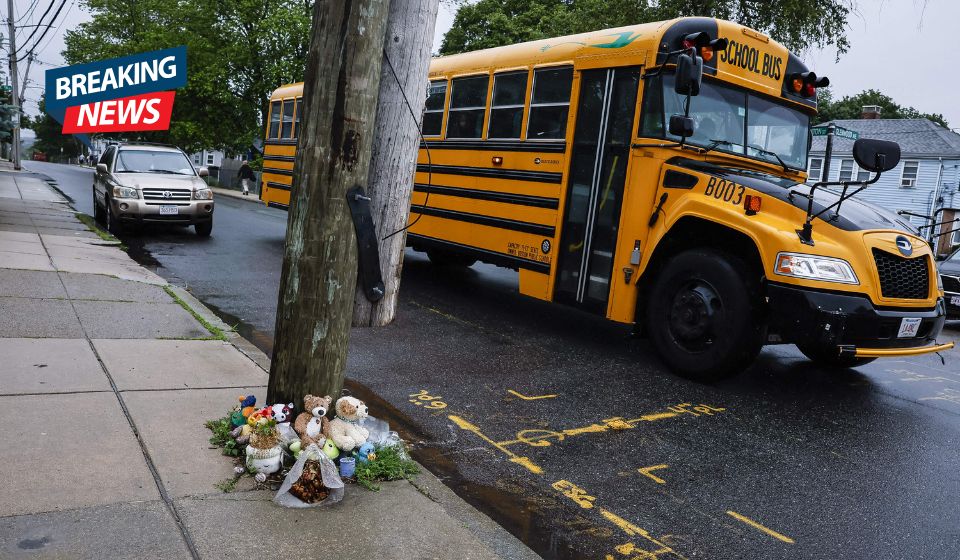
The crash, which occurred in April 2025, resulted in the death of kindergartner Lens Joseph after he was struck by the very school bus that had just dropped him off. The heartbreaking incident shocked the Boston community and led to criminal charges against the driver. Now, more than a year later, new questions are emerging about how serious bus crashes are recorded and whether federal safety databases are providing an accurate picture of transportation companies’ safety histories.
Fatal Crash Raises Accountability Concerns
According to investigators, Lens Joseph was returning home from school when the tragedy unfolded. Prosecutors allege that the driver made a series of mistakes throughout the day before arriving at the child’s stop.
Authorities claim the driver had already been involved in concerning driving behavior during the route, including missing stops and failing to follow certain traffic procedures. When the bus arrived near Lens’ home, investigators say the child was dropped off on the wrong side of the street.
As Lens attempted to cross in front of the bus to reach his home, he was struck and fatally injured.
The devastating incident quickly became one of the most talked-about school transportation tragedies in Boston in recent years.
The child’s family, community members, and safety advocates demanded answers about how such an accident could occur and whether proper safety procedures had been followed.
Bus Contractor Missing From Federal Records
The bus involved in the crash was operated by Transdev, a global transportation company that has provided school transportation services for Boston Public Schools since 2013.
However, despite the company’s role in operating the bus, federal safety databases reportedly do not identify Transdev as being connected to the fatal crash.
Instead, the incident appears under a different government-related designation, making it difficult for the public to immediately recognize which company was operating the vehicle involved in the tragedy.
Transportation experts say this reporting issue is not unique and may affect numerous bus crashes across the country.
Critics argue that when serious accidents are recorded under school districts, cities, or transit authorities instead of the contractors actually operating the buses, important safety information can become fragmented or hidden from public view.
How Federal Crash Reporting Works
The Federal Motor Carrier Safety Administration (FMCSA) maintains a nationwide database designed to track serious commercial vehicle crashes.
The information is intended to help regulators identify transportation companies with potential safety problems and determine whether additional oversight or investigations are needed.
When a serious crash occurs, local law enforcement agencies complete accident reports that are eventually submitted into federal systems.
However, determining which entity should be listed as the responsible carrier can sometimes become complicated.
In cases involving contracted transportation services, buses may be owned by one entity, operated by another company, and used under a contract with a school district or transit agency.
As a result, some crashes end up being listed under government agencies rather than the private contractors handling day-to-day operations.
Safety advocates argue that this can create an incomplete picture of a company’s overall safety performance.
Investigations Reveal Larger Reporting Problem
The concerns surrounding the Boston crash gained momentum after investigations reportedly uncovered dozens of fatal crashes involving buses operated by the same transportation company that were not clearly reflected in federal records under the company’s name.
The findings have prompted questions about whether regulators, school districts, and parents are receiving complete information when evaluating transportation providers.
Transportation safety experts warn that accurate crash histories are critical because they help identify patterns that might otherwise go unnoticed.
Without complete reporting, regulators may struggle to determine whether recurring safety issues exist within a company’s operations.
Experts say comprehensive crash records are especially important when companies are responsible for transporting children on a daily basis.
Family Continues Seeking Justice
For Lens Joseph’s family, the issue goes far beyond federal databases and reporting systems.
The young boy’s death left a permanent impact on his loved ones, who continue to seek accountability and answers regarding the circumstances surrounding the crash.
Family members have reportedly pursued legal action while advocating for improvements in school transportation safety.
They argue that no other family should have to experience a similar tragedy and believe stronger oversight could help prevent future accidents.
The case has also become a rallying point for community members who want greater transparency from transportation providers and government agencies.
Additional Safety Questions Surface
Investigators previously alleged that the bus involved in the crash may have had maintenance or safety issues that should have been identified before the route began.
Authorities also examined whether required inspections and procedures were properly completed before the driver started transporting students that day.
These allegations have intensified concerns about safety monitoring and compliance within large school transportation systems.
School districts across the country often rely on private contractors to transport thousands of students every day, making effective oversight a critical public safety issue.
Advocates say even a single failure can have devastating consequences.
Experts Call for Reform
Transportation safety advocates are now calling for reforms that would make crash reporting more transparent and easier to track.
Some experts believe federal databases should clearly identify both the public agency and the private contractor involved in any serious accident.
Others argue that transportation companies should be required to actively verify that crashes connected to their operations are properly recorded under their names.
Supporters of reform say such changes would help regulators make more informed decisions while allowing school districts and parents to better evaluate transportation providers.
Ongoing Debate Over School Transportation Safety
The Boston crash has become part of a broader national conversation about student transportation safety.
Every day, millions of children rely on school buses to travel safely between home and school. While school buses remain one of the safest forms of transportation, advocates note that maintaining that safety record requires constant oversight, training, and accountability.
As investigations continue and legal proceedings move forward, the death of Lens Joseph remains a painful reminder of what can happen when safety systems fail.
For many observers, the unanswered questions surrounding both the crash itself and its absence from federal safety records highlight the need for greater transparency throughout the transportation industry.
Whether federal regulators ultimately change reporting requirements remains uncertain, but the case has already sparked renewed scrutiny of how school bus contractors are monitored and how their safety histories are documented.
For the Joseph family and others affected by similar tragedies, the hope is that greater accountability will help prevent future accidents and ensure that every child arrives home safely.