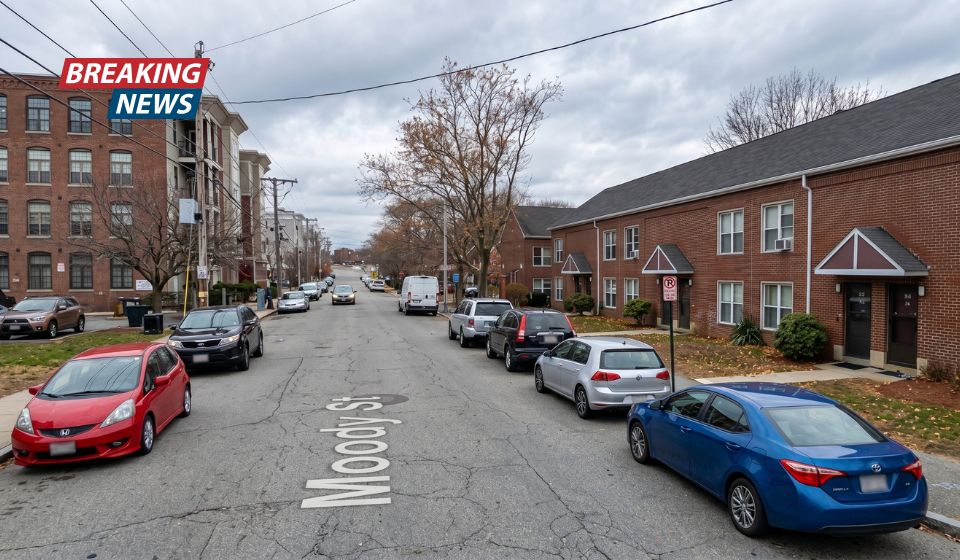
Lowell Board Greenlights Moody Street Affordable Housing Overhaul

The City of Lowell has taken a major step toward expanding affordable housing after the Lowell Planning Board unanimously approved a significant redevelopment proposal for two properties on Moody Street. The project, which will replace aging affordable housing buildings with modern residential developments, is expected to increase the number of affordable units while adding new amenities, green space, and housing options for seniors and families.
The redevelopment is being viewed as one of the most substantial affordable housing investments currently planned in Lowell’s Acre neighborhood, an area that has long served as a center for affordable housing initiatives in the city.
Planning Board Approves Major Redevelopment Project
The Lowell Planning Board voted 5-0 to approve a site plan submitted by New North Canal LLC for the redevelopment of properties located at 463 Moody Street and 281 Moody Street. The approval followed a public hearing in which project representatives outlined plans to modernize the existing housing stock and expand the number of affordable units available in the city.
The proposal will transform the current affordable housing complex, which contains 116 units, into a new development consisting of 160 affordable housing units. The increase represents 44 additional affordable homes for Lowell residents.
Unanimous Vote From Board Members
After reviewing the plans and discussing various aspects of the project, Planning Board members unanimously endorsed the redevelopment. The board’s approval included several conditions designed to address transportation, safety, and infrastructure concerns associated with the larger residential complex.
The decision marked an important milestone for the project, allowing it to move forward through additional stages of review and development.
Details of the Moody Street Housing Overhaul
The redevelopment will occur across two separate sites and is designed to serve different populations within the affordable housing sector.
Senior Housing Building at 463 Moody Street
The larger of the two proposed buildings will be constructed at 463 Moody Street. Plans call for a four-story structure containing 100 senior-restricted affordable housing units. The development will replace several existing buildings currently located on the site.
Project representatives told city officials that the new building will provide modern accommodations specifically designed for older residents while maintaining long-term affordability.
Family Housing Development at 281 Moody Street
At 281 Moody Street, developers plan to construct a five-story building containing 60 affordable housing units intended for families. The site currently contains 41 affordable units and will be redeveloped to accommodate a larger number of residents.
The family-oriented building will include parking located underneath the structure, helping maximize residential space while addressing parking needs.
Increase in Affordable Housing Supply
One of the most significant aspects of the project is the increase in affordable housing inventory.
Forty-Four Additional Affordable Units
The redevelopment will increase the total number of affordable units from 116 to 160. City planners and project supporters noted that the additional units will help address growing housing demand in Lowell and contribute toward broader municipal and state housing objectives.
Massachusetts communities continue to face housing affordability challenges, making the creation of new affordable units a priority for many municipalities. Lowell has identified expansion of affordable housing as a key component of its long-term housing strategy.
Supporting City and State Housing Goals
According to project representatives, the redevelopment aligns with housing goals established by both the City of Lowell and the Commonwealth of Massachusetts. Officials emphasized that increasing affordable housing opportunities remains critical as communities work to address housing shortages and rising housing costs.
Amenities and Community Improvements
Beyond increasing the housing supply, the project includes several quality-of-life improvements intended to benefit residents.
Expanded Green Space
Developers indicated that the project will create additional green space compared to the existing layout. The improvements are intended to provide residents with more outdoor areas for recreation and community activities.
Community Programming Areas
Plans also include dedicated community programming space that can be used for resident services, gatherings, and activities. Supporters of the project argue that these shared spaces will strengthen community engagement and improve residents’ quality of life.
Modern Residential Amenities
The redevelopment aims to replace aging housing stock with modern buildings featuring updated amenities and infrastructure. City officials and project representatives have emphasized that the new construction will provide safer and more efficient housing for residents while preserving affordability.
Conditions Attached to Approval
Although the Planning Board approved the proposal, the decision included several requirements that developers must satisfy as the project moves forward.
Transportation Demand Management Plan
Developers must prepare a transportation demand management plan designed to reduce traffic impacts and encourage alternative transportation options for residents.
Bicycle Parking Requirements
The board also required secure bicycle parking facilities, reflecting efforts to encourage cycling and improve transportation accessibility.
Canal Safety Measures
Because the development is located near the North Canal area, planners required additional canal-edge safety measures to protect residents and visitors.
Coordination With City Departments
The approval further requires ongoing coordination with city engineering and wastewater departments to ensure infrastructure systems can adequately support the expanded housing development.
Previous Zoning and Regulatory Reviews
Before receiving Planning Board approval, the project had already undergone review by other local authorities.
Parking Variance Approved
The proposal required relief from Lowell’s minimum parking requirements. Earlier in January, the Lowell Zoning Board of Appeals granted a parking variance that allowed the project to proceed despite providing fewer parking spaces than normally required under zoning regulations.
Historic Review Still Required
Project representatives informed the Planning Board that the development would also need review by the city’s Historic Board. This step is necessary because of the area’s historic significance and applicable local regulations.
Community Response and Support
The proposal received praise from some local officials and housing advocates who view it as an important investment in Lowell’s future.
Praise for Project Design
During zoning discussions, officials described the redevelopment as a noteworthy example of affordable housing design. Some participants praised the project’s appearance and its effort to integrate modern housing with community-focused amenities.
Importance for the Acre Neighborhood
The Acre neighborhood has historically been a focal point for affordable housing initiatives in Lowell. Supporters argue that the Moody Street redevelopment continues that tradition while providing upgraded housing options for current and future residents.
What Happens Next
With Planning Board approval secured, the Moody Street affordable housing overhaul moves closer to construction. The project will proceed through remaining regulatory reviews and compliance requirements before development begins.
Once completed, the redevelopment will deliver 160 affordable housing units, including both senior-restricted and family housing, while adding community amenities, expanded green space, and modern residential facilities. Supporters believe the project will play a meaningful role in addressing Lowell’s housing needs and preserving affordable housing opportunities for years to come.