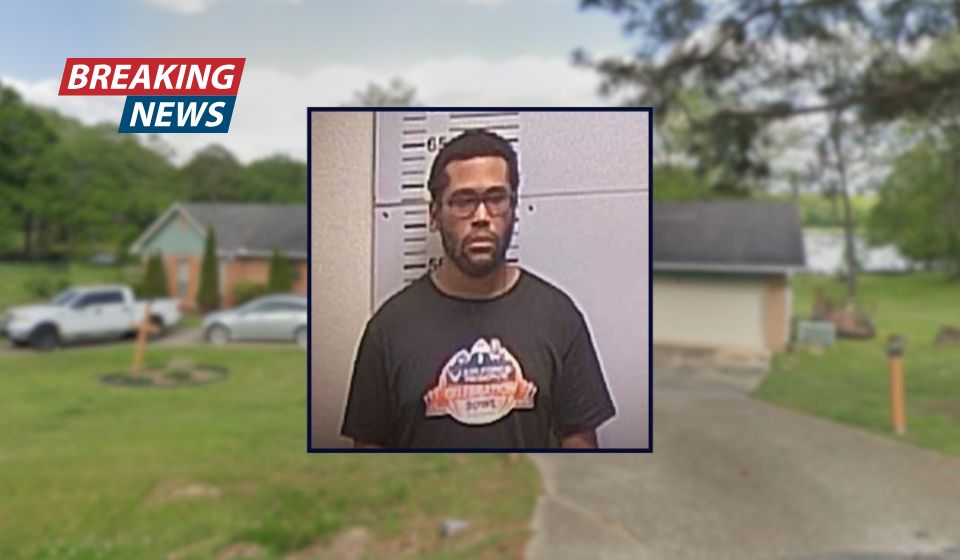
“That day he just pushed me too far”: Man blew father away after losing his patience during heated argument over car speakers

A tragic family dispute that began as an argument over car speakers ended in a father’s death and a son’s murder conviction, highlighting how long-simmering tensions within a family can erupt into deadly violence.
The case drew widespread attention after the son admitted to shooting his father during a confrontation, later telling authorities and jurors that he had finally reached a breaking point. According to court testimony, the defendant claimed that years of conflict with his father culminated in a heated argument about car speakers on the day of the fatal shooting.
Long-Running Family Conflict
Prosecutors presented evidence showing that the relationship between the father and son had been strained for years before the deadly incident. Witnesses described a history of disagreements and tension between the two men, with family members reportedly aware of ongoing conflicts.
During the trial, jurors heard that the father and son frequently argued over a variety of issues. The prosecution argued that the defendant’s frustrations did not justify his decision to use deadly force.
Defense attorneys, meanwhile, attempted to portray the shooting as the result of a prolonged and emotionally charged family dynamic that had reached a critical point.
Argument Over Car Speakers Turns Deadly
According to testimony presented in court, the fatal confrontation began with an argument involving car speakers. What initially appeared to be a relatively minor disagreement quickly escalated into a heated exchange between the father and son.
Witness accounts and evidence introduced during the trial indicated that emotions intensified as the argument continued. Prosecutors said the defendant eventually retrieved a firearm and shot his father during the confrontation.
Emergency responders were called to the scene after reports of gunfire. Despite efforts to save him, the father died from his injuries.
Defendant’s Explanation
One of the most significant moments during the trial came when jurors heard the defendant’s own explanation for the shooting.
According to court records and testimony, the son claimed that years of frustration and conflict had finally overwhelmed him. Referring to the argument that preceded the shooting, he reportedly stated:
“That day he just pushed me too far.”
The statement became a central focus of the proceedings, with prosecutors arguing that it amounted to an admission that the shooting was motivated by anger rather than self-defense.
Prosecutors Reject Justification
Prosecutors maintained throughout the trial that the defendant intentionally killed his father and should be held fully accountable for his actions.
They argued that disagreements, no matter how intense, do not provide legal justification for homicide. Evidence presented by the state sought to show that the defendant had opportunities to walk away from the confrontation instead of escalating it.
The prosecution emphasized that the dispute involved a personal disagreement and that the father’s actions did not warrant a lethal response.
Defense Strategy
Defense attorneys attempted to provide context for the defendant’s actions by describing the complicated and troubled relationship between father and son.
They argued that the defendant had endured years of emotional strain and that the confrontation occurred amid heightened emotions. While acknowledging that the shooting occurred, the defense sought to persuade jurors to consider the broader circumstances surrounding the family conflict.
The defense contended that the case was not as straightforward as prosecutors suggested and urged jurors to examine the entire history between the two men.
Evidence Presented at Trial
Throughout the proceedings, jurors reviewed witness testimony, law enforcement reports, forensic evidence, and statements made by the defendant.
Investigators described their response to the scene and detailed the evidence collected following the shooting. Medical findings regarding the father’s fatal injuries were also presented.
Jurors were tasked with determining whether the evidence supported the prosecution’s claim that the killing was intentional and unlawful.
Jury Deliberations and Verdict
After hearing testimony and reviewing the evidence, jurors began deliberating on the charges against the defendant.
The jury ultimately rejected arguments that would have reduced the defendant’s responsibility and found him guilty in connection with his father’s death.
The verdict marked the conclusion of a case that had centered on whether years of frustration and a heated argument could mitigate responsibility for a fatal shooting.
Sentencing and Aftermath
Following the conviction, the defendant faced significant prison time for the killing. The sentence reflected the seriousness of the offense and the jury’s determination that the shooting constituted a criminal act rather than a justified use of force.
The case serves as a stark reminder of how unresolved family conflicts can escalate into irreversible tragedy. What began as a dispute over car speakers ultimately resulted in the loss of a life, the destruction of a family, and a lengthy prison sentence for the son who admitted that he had reached his limit during the fatal confrontation.
A Family Dispute With Devastating Consequences
Court records and testimony painted a picture of a relationship marked by conflict, resentment, and escalating tensions. While the defendant argued that he had been pushed beyond his breaking point, prosecutors successfully convinced jurors that personal frustration could not excuse homicide.
The father’s death and the son’s conviction now stand as lasting consequences of a confrontation that spiraled out of control. The case continues to be cited as an example of how seemingly ordinary disputes can become deadly when anger, resentment, and access to firearms intersect.