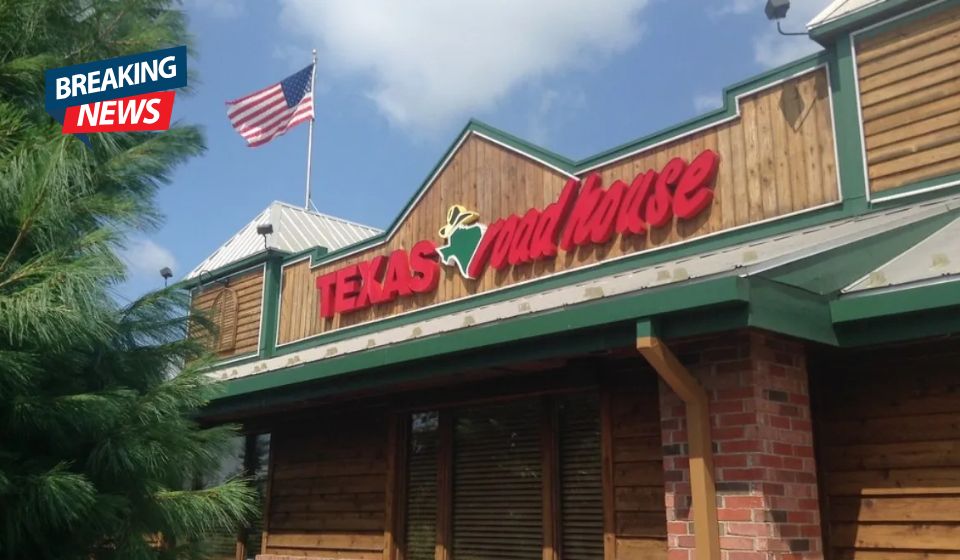
A man says he left his Texas Roadhouse server a $10 cash tip, then got a notification that his bill had been changed to add a $20 tip

A New Jersey man is drawing attention online after claiming that a restaurant bill he paid at Texas Roadhouse was allegedly altered after he left a cash tip for his server.
The customer says he intentionally left a $10 cash tip and wrote zero on the credit card receipt, only to later discover that the amount charged to his account was significantly higher than expected.
The incident has sparked debate on social media about tipping practices, receipt fraud, and how customers can protect themselves when paying at restaurants.
Customer Says Bill Increased After Visit
According to the man, his dining bill totaled approximately $64.
He claims that after paying the bill, he left a $10 cash tip directly for the server. To avoid any confusion, he says he wrote “0” in the tip section of the credit card receipt before signing it.
However, the situation allegedly changed when he later received a notification from his bank showing a larger charge than expected.
Instead of the original amount, the charge reportedly appeared as roughly $84.
Alleged Receipt Alteration
The customer believes someone modified the receipt after he left the restaurant.
According to his account, a “2” may have been added in front of the zero written on the tip line, turning the tip amount into $20.
He also alleged that the total charge on the receipt may have been altered to reflect the additional amount.
The claims quickly gained traction online after he shared the story in a TikTok video that generated thousands of views and comments.
Customer Contacts Restaurant
After noticing the discrepancy, the man said he contacted the restaurant to report the issue.
According to his statements, management apologized for the situation after reviewing his complaint.
The customer also said he filed a dispute with his bank in an effort to recover the disputed funds while the matter is investigated.
It remains unclear whether the charge resulted from an intentional alteration, a processing error, or another explanation.
Social Media Reacts
The story triggered mixed reactions online.
Many viewers expressed outrage and argued that altering a customer’s receipt would constitute fraud if proven true.
Some commenters encouraged the customer to pursue legal action, while others urged him to continue working with both the restaurant and his financial institution to resolve the matter.
Others focused on the size of the tip itself, debating whether $10 was an appropriate gratuity for a $64 bill.
Debate Over Tipping
Several restaurant workers weighed in on the discussion.
Some servers argued that a $10 cash tip was reasonable and fell within common tipping guidelines.
Others believed the amount was lower than what they would typically expect, although many stressed that dissatisfaction with a tip would never justify altering a customer’s receipt.
Hospitality industry professionals noted that cash tips are often appreciated because workers can receive them immediately, but they also acknowledged that leaving a blank tip line can sometimes create opportunities for disputes if records are unclear.
Importance of Reviewing Statements
Consumer advocates say situations like this highlight the importance of checking bank statements and credit card transactions after dining out.
Experts recommend:
- Writing clear amounts on receipts
- Filling in all blank spaces on tip lines
- Keeping copies or photos of signed receipts
- Monitoring account activity for unexpected charges
- Reporting suspicious transactions immediately
Most banks provide dispute procedures that allow customers to challenge charges they believe are unauthorized or incorrect.
Investigation Remains Unclear
At this time, no criminal allegations have been formally confirmed, and the customer’s claims remain allegations.
Neither the restaurant nor the server involved has publicly commented on the specifics of the incident.
For now, the dispute serves as a reminder of how a seemingly routine restaurant visit can quickly become a source of controversy when questions arise about a final bill.