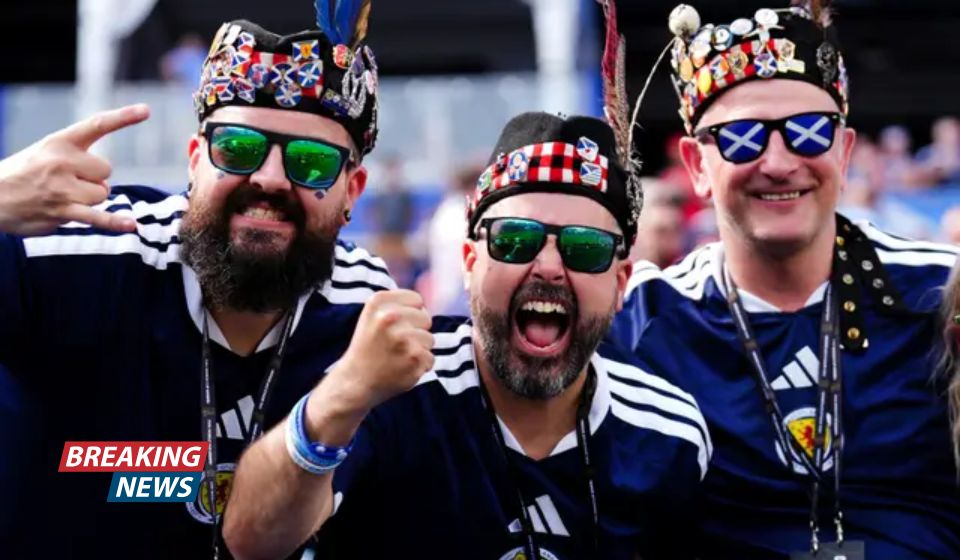
Tartan Army “heartbroken” to leave Boston after World Cup matches

Thousands of Scotland supporters known as the Tartan Army have described themselves as “heartbroken” to leave Boston after turning the Massachusetts city into a sea of tartan, kilts, bagpipes, and football chants during the 2026 FIFA World Cup. What began as a football trip quickly evolved into a cultural celebration that captivated both Scottish visitors and local residents, creating friendships and memories that many fans say will last a lifetime.
The departure from Boston comes after Scotland’s group-stage matches in the city drew tens of thousands of traveling supporters. The Tartan Army, famous for their passionate backing of the Scotland national team, embraced the opportunity to follow their country at a World Cup for the first time in nearly three decades. Their presence transformed bars, restaurants, sporting venues, and public spaces across the city.
Boston Falls in Love With the Tartan Army
Tens of Thousands of Scots Arrive in Massachusetts
Reports estimated that between 40,000 and 50,000 Scottish supporters traveled to the Boston area during Scotland’s World Cup campaign. Fans arrived from Scotland and from Scottish communities around the world, bringing an unmistakable atmosphere to the city.
The supporters quickly became one of the defining stories of the tournament. Residents frequently commented on the friendliness, enthusiasm, and good humor displayed by the Scottish visitors. Many Bostonians described the relationship between the city and the Tartan Army as a perfect match, praising the visitors for embracing local culture while sharing their own traditions.
Local Businesses Struggle to Keep Up
The enormous influx of supporters had a major economic impact on Boston. Pubs and bars reported unprecedented demand, with some establishments running out of popular beers as Scotland fans packed venues throughout the city. Scottish lager Tennent’s became especially difficult to find as supporters gathered to celebrate Scotland’s long-awaited World Cup return.
One Scottish-themed venue dramatically increased its weekly beer orders to cope with demand, while local breweries reported sales levels far exceeding those typically seen during major holiday weekends. The popularity of the visiting supporters generated a significant boost for local businesses across the Boston area.
Scotland’s Long-Awaited Return to the World Cup
A Dream Nearly Three Decades in the Making
The 2026 tournament marked Scotland’s first World Cup appearance since 1998. For many supporters, the trip represented the fulfillment of a lifelong dream after years of disappointment and near misses. The emotional significance of finally watching Scotland compete on football’s biggest stage was evident throughout the city.
Supporters celebrated every aspect of the experience, from gathering in pubs and fan zones to marching through city streets in kilts while singing traditional songs. The atmosphere was particularly special because many fans had waited nearly 30 years for another opportunity to follow Scotland at a World Cup.
Historic Victory Sparks Celebrations
Scotland’s opening World Cup victory over Haiti generated huge celebrations among supporters. The win was Scotland’s first World Cup victory since 1990 and provided fans with a memorable moment after decades of waiting. The result triggered days of festivities throughout Boston as the Tartan Army embraced the occasion.
Turning Boston Into a Scottish Celebration
Fenway Park Gets the Tartan Army Treatment
One of the most memorable moments of the Scottish invasion occurred when thousands of supporters attended a baseball game at Fenway Park. Fans marched through the city accompanied by bagpipers before bringing football-style chants and songs into one of America’s most famous sporting venues.
American spectators witnessed renditions of traditional Scottish songs, including “Flower of Scotland,” creating a unique cultural exchange that quickly gained attention on social media. Many locals praised the supporters for bringing energy and excitement to the stadium.
Scottish Traditions Spread Across the City
The Tartan Army left its mark throughout Boston. Supporters introduced local residents to Scottish football culture, bagpipe performances, and long-standing fan traditions. Even traffic cones appearing on city statues became part of the festivities, referencing a famous Glasgow tradition familiar to many Scottish fans.
Visitors and residents alike described the atmosphere as festive and welcoming, with many Bostonians embracing the opportunity to celebrate alongside the visiting supporters.
Emotional Moments On and Off the Field
Defeat to Morocco Brings Heartbreak
Despite the excitement surrounding Scotland’s return to the World Cup, the team suffered a difficult 1-0 defeat against Morocco in Boston. Morocco scored within the opening minutes, leaving Scotland chasing the game. Although Scotland improved significantly in the second half and created opportunities, they were unable to find an equalizer.
The result left supporters disappointed, but many praised the determination shown by the team. The defeat also increased the emotional significance of Scotland’s remaining World Cup journey as fans prepared to leave Boston for the next stage of the tournament.
Remembering a Supporter Who Never Returned Home
The World Cup experience was also marked by tragedy when 76-year-old Scotland supporter Donny Strathie died while in Boston. A lifelong fan, he had traveled to the United States to fulfill his dream of seeing Scotland at a World Cup. His death deeply affected fellow supporters, many of whom organized tributes in his memory.
Family members and friends described him as a passionate football supporter whose love for Scotland and the game defined much of his life. The outpouring of support from fellow fans demonstrated the close-knit nature of the Tartan Army community.
Boston Residents Say Goodbye
New Friendships Formed During the Tournament
As Scotland’s stay in Boston came to an end, many residents expressed sadness at seeing the supporters leave. Throughout the tournament, locals frequently praised the friendliness and enthusiasm of the Scottish visitors. Social media became filled with messages celebrating the interactions between Bostonians and the Tartan Army.
Some residents described the Scottish supporters as among the most enjoyable visitors the city had ever hosted, while fans themselves spoke warmly about the hospitality they received during their stay.
“Heartbroken” to Leave a City That Embraced Them
Many Scotland supporters admitted they were heartbroken to leave Boston after creating such strong connections with the city and its residents. What began as a football trip became a shared cultural experience that transcended sport. Fans repeatedly praised the friendliness of local people, the atmosphere throughout the city, and the warm reception they received everywhere they went.
For countless members of the Tartan Army, Boston became one of the defining memories of Scotland’s 2026 World Cup campaign.
Legacy of the Tartan Army’s Boston Takeover
A Lasting Impression on the City
The Scottish supporters left behind a lasting legacy in Boston. From packed pubs and booming business to viral videos, stadium singalongs, and cultural celebrations, the Tartan Army became one of the tournament’s most memorable stories. Their presence highlighted why Scotland’s supporters have earned a reputation around the world for their passion, friendliness, and sense of community.
As the fans moved on to follow Scotland’s remaining World Cup matches, many Bostonians and Scots alike reflected on a remarkable few weeks that forged a unique connection between the city and the Tartan Army. Although the supporters may have left Boston, the memories they created are likely to endure long after the final whistle of the tournament.