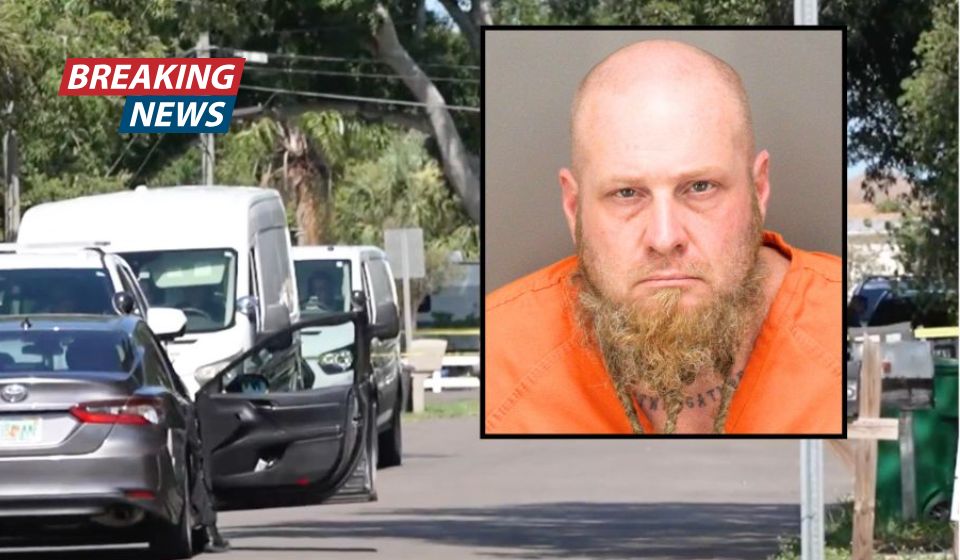
‘Life is f—ed’: Man with ‘no job and no insurance’ asks friend to stop him from killing people, but it doesn’t work, cops reveal

A chilling criminal case has drawn widespread attention after investigators revealed that a troubled man allegedly warned a friend that he feared he was going to kill people. According to police documents cited in court proceedings, the suspect reportedly described his life as being in crisis, saying that “life is f—ed” and explaining that he had no job and no health insurance. Authorities say he even asked a friend to intervene and stop him before he acted on violent thoughts. Despite that warning, the tragedy that followed left multiple victims dead and raised difficult questions about mental health, warning signs, and intervention.
The case gained national attention after details from police affidavits and investigative records became public, revealing a disturbing sequence of events that prosecutors say showed the suspect’s deteriorating mental state before the killings.
Warning Signs Before the Attack
According to investigators, the suspect had been struggling with major personal and financial difficulties. Police records indicate that he expressed feelings of hopelessness and frustration about his circumstances. He reportedly told a friend that he had no employment, lacked health insurance, and felt that his life was falling apart.
Authorities say the suspect’s statements went beyond ordinary complaints. Investigators alleged that he directly expressed fears that he might become violent and asked someone close to him to prevent him from hurting others. The friend reportedly attempted to calm him and discourage any violent action, but police later concluded that those efforts were unsuccessful.
Friend Reportedly Tried to Intervene
Court documents indicate that the friend who received the alarming messages took the statements seriously. According to police, conversations between the two showed attempts to talk the suspect out of his increasingly disturbing thoughts.
Investigators later reviewed those communications as part of the criminal case. Authorities say the exchanges demonstrated that the suspect was aware of his deteriorating emotional condition and, at least at one point, appeared to recognize that he posed a potential danger.
Despite the warnings, law enforcement officials say there was no immediate intervention capable of preventing what happened next.
Deadly Violence Unfolds
Police allege that after making the disturbing statements, the suspect carried out a violent attack that resulted in multiple deaths. Investigators say the victims had no opportunity to defend themselves against the assault.
Authorities quickly launched a large-scale investigation, collecting witness statements, physical evidence, and digital communications. Prosecutors later argued that the evidence established a clear timeline leading from the suspect’s warnings to the fatal incident.
Law enforcement officials described the crime scene as deeply disturbing and said investigators worked to determine whether additional victims or accomplices were involved. According to authorities, no evidence emerged indicating that anyone else participated in the killings.
Evidence Collected by Investigators
During the investigation, detectives reportedly obtained messages, interviews, and other records that they say documented the suspect’s state of mind before the attack.
Police allege that the communications showed escalating distress and frustration. Prosecutors later cited those statements as evidence that the suspect was aware of his violent thoughts before carrying out the crimes.
Investigators also examined the suspect’s personal circumstances, including his financial struggles and lack of employment. While authorities acknowledged those hardships, prosecutors emphasized that such challenges do not excuse acts of violence.
Arrest and Criminal Charges
Following the investigation, law enforcement officers arrested the suspect and filed multiple criminal charges. Prosecutors argued that the available evidence supported serious homicide-related counts and sought to hold the defendant without release.
Court filings described the alleged crimes as deliberate and extremely dangerous. Prosecutors pointed to the earlier warnings given to the friend as one of several factors demonstrating that the suspect had contemplated violence before the attack occurred.
The defendant was taken into custody and appeared before a judge for initial proceedings, where the allegations against him were formally outlined.
What Prosecutors Are Arguing
According to court records, prosecutors contend that the suspect’s own statements provide insight into his mindset before the killings.
They argue that the messages about having “no job and no insurance” and feeling that “life is f—ed” help establish the emotional and psychological backdrop leading up to the violence. Prosecutors maintain that the communications demonstrate awareness of violent impulses and concern about acting on them.
The defense, meanwhile, is expected to challenge aspects of the prosecution’s interpretation of the evidence as the case proceeds through the court system.
Questions About Mental Health and Prevention
The case has sparked broader discussion about how society responds when individuals openly express violent thoughts. Experts frequently note that not every troubling statement leads to violence, making it difficult for friends, family members, and authorities to determine when intervention is necessary.
Investigators say the suspect’s friend attempted to discourage any harmful actions, but police contend that those efforts ultimately failed to prevent the tragedy.
The incident has become another example cited in discussions about mental health resources, crisis intervention systems, and the challenges of identifying when someone poses a genuine threat to others.
Ongoing Legal Proceedings
As the criminal case moves forward, prosecutors continue to rely on evidence gathered during the investigation, including the suspect’s alleged communications before the attack.
The defendant remains presumed innocent unless proven guilty in court. A judge or jury will ultimately determine whether prosecutors have established the charges beyond a reasonable doubt.
For the victims’ families, however, the revelations contained in police documents have already painted a troubling picture of a man who allegedly recognized his own violent impulses, sought help from a friend, and nevertheless became the focus of a deadly criminal investigation.