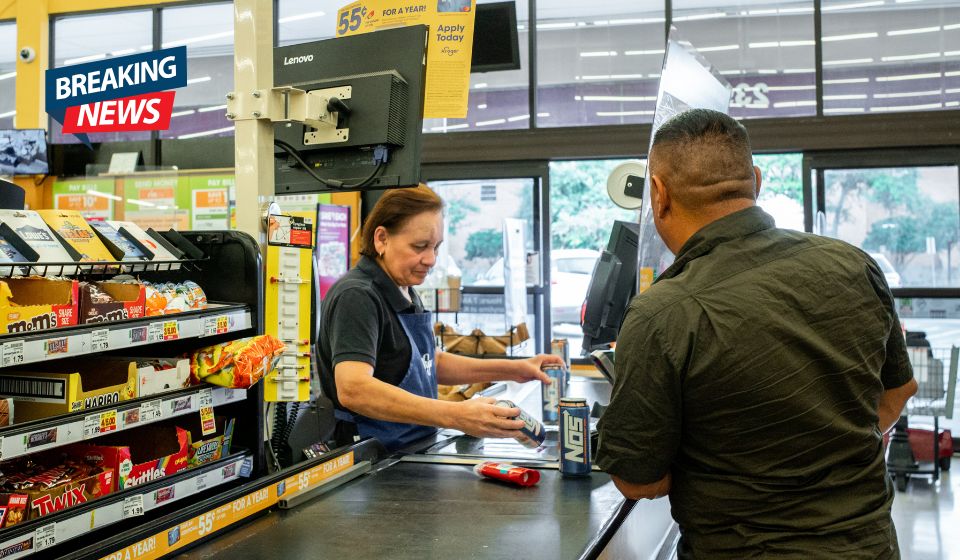
Minimum wages rise July 1 in Oregon, Alaska, Washington, D.C., and more than 20 cities

Millions of workers across the United States are set to receive larger paychecks beginning July 1, 2026, as a new round of minimum wage increases takes effect in Oregon, Alaska, Washington, D.C., and more than 20 cities nationwide.
The increases are part of automatic wage adjustment laws that tie minimum pay rates to inflation and local economic conditions. While the federal minimum wage remains unchanged at $7.25 per hour — a rate that has not increased since 2009 — many states and municipalities continue to implement their own wage policies to help workers keep up with rising living costs.
For employees struggling with higher housing expenses, grocery bills, healthcare costs, and transportation prices, the July wage adjustments provide some financial relief. Although the increases vary by location, they represent a continuing trend toward higher local wage standards across much of the country.
Why Minimum Wages Are Increasing
Many states and cities now use inflation-based formulas that automatically adjust minimum wages each year without requiring new legislation.
These laws generally rely on Consumer Price Index (CPI) data, which measures changes in the cost of everyday goods and services. When inflation rises, minimum wages increase accordingly to preserve workers’ purchasing power.
Supporters argue that automatic adjustments prevent wages from falling behind the cost of living, while critics say frequent increases can raise labor costs for employers, particularly small businesses.
The July 1 changes reflect inflation trends observed during the previous year and will impact millions of hourly workers.
Oregon’s Three-Tier Minimum Wage System
Oregon continues to operate one of the nation’s most unique minimum wage structures.
Rather than applying a single statewide rate, Oregon divides its wage requirements into three geographic categories based on regional economic conditions and living expenses.
Starting July 1, 2026:
| Oregon Region | New Minimum Wage |
|---|---|
| Portland Metro Area | $16.80 per hour |
| Standard Statewide Rate | $15.55 per hour |
| Nonurban Counties | $14.55 per hour |
The Portland metropolitan area receives the highest wage rate because of its significantly higher housing and living costs.
State officials calculate annual adjustments using inflation data available through April 30 each year. The system is designed to ensure wage increases remain predictable for both workers and employers.
Labor advocates note that while the increases help workers manage rising expenses, some communities outside Portland still face affordability challenges despite lower regional wage requirements.
Alaska Sees One of the Largest Increases
Among states implementing July 1 changes, Alaska is introducing one of the largest percentage increases.
The state’s minimum wage will rise from $13.00 to $14.00 per hour, representing an increase of nearly 7.7%.
The adjustment follows a voter-approved law linking wage growth to inflation.
Alaska’s higher wage floor reflects the state’s unique economic realities. Many communities face elevated transportation costs, higher food prices, and expensive housing markets, making cost-of-living concerns particularly significant for lower-income workers.
State labor officials have reminded employers to update payroll systems before the new rate takes effect.
Washington, D.C. Continues Aggressive Wage Growth
Washington, D.C. remains among the jurisdictions with the highest minimum wages in the country.
The District’s wage structure includes automatic inflation adjustments and ongoing efforts to gradually reduce the wage gap between tipped workers and other employees.
Local leaders have long argued that workers in the nation’s capital require stronger wage protections due to exceptionally high housing and living costs.
The July increase continues D.C.’s strategy of maintaining one of the highest local wage floors in America.
More Than 20 Cities Raising Pay
The July 1 changes extend far beyond state governments.
More than 20 cities and counties across the country are implementing their own local wage increases, often setting rates significantly above both state and federal minimums.
Fremont, California
Fremont’s minimum wage will increase to $18.05 per hour, placing it among the highest local wage rates in the nation.
Officials say the increase reflects the high cost of living in the Bay Area, where housing and transportation expenses continue to outpace national averages.
Montgomery County, Maryland
Montgomery County uses a tiered system based on employer size.
Larger businesses are generally required to pay higher minimum wages than smaller employers, allowing small businesses additional flexibility while still increasing worker earnings.
Saint Paul, Minnesota
Saint Paul continues implementing a phased wage plan that gradually increases minimum pay over several years.
The city has structured its wage schedule around business size while working toward broader wage consistency across employers.
Other Cities Implementing Increases
Additional local wage hikes are scheduled in cities and counties across:
- California
- Maryland
- Minnesota
- Illinois
- New Mexico
- Colorado
- Washington State
- Several other jurisdictions
Many local governments have adopted inflation-indexed systems that automatically adjust wage rates every year.
Federal Minimum Wage Remains Unchanged
Despite widespread local action, the federal minimum wage remains fixed at $7.25 per hour.
The federal rate was last increased in July 2009.
As a result, the gap between federal and local wage standards has grown dramatically.
In some cities, workers will soon earn more than double the federal minimum wage.
Supporters of a federal increase argue that the current rate no longer reflects modern living costs, while opponents maintain that wage decisions should remain under state and local control.
What the Changes Mean for Workers
For employees earning minimum wage, even relatively small hourly increases can have a meaningful impact over time.
A worker receiving a $1-per-hour raise and working 40 hours per week could earn approximately:
- $40 more per week
- About $173 more per month
- More than $2,000 extra annually before taxes
For households facing rising rent, food prices, utility costs, and transportation expenses, these additional earnings can help ease financial pressure.
However, economists note that wage gains may not fully offset inflation in every region.
Challenges for Employers
Businesses operating in multiple states and cities face growing compliance challenges as local wage laws become more complex.
Employers must monitor:
- Different minimum wage rates
- Annual inflation adjustments
- Local labor regulations
- Posting and notification requirements
- Separate rules for tipped employees
Companies with operations in numerous jurisdictions often need to update payroll systems several times each year to remain compliant.
Small business organizations have expressed concerns about rising labor costs, particularly in industries with thin profit margins such as retail, hospitality, and food service.
Looking Ahead
The July 1 wage increases highlight the growing role states and cities play in shaping labor policy across the United States.
With Congress showing little movement toward raising the federal minimum wage, local governments continue taking independent action to address affordability concerns and wage growth.
As inflation-adjusted systems become more common, annual wage increases are likely to remain a regular feature of the labor market.
For millions of workers, July 1 represents another step toward higher earnings. For policymakers and economists, it provides another opportunity to evaluate whether automatic minimum wage increases can help workers keep pace with the rising cost of living in the years ahead.