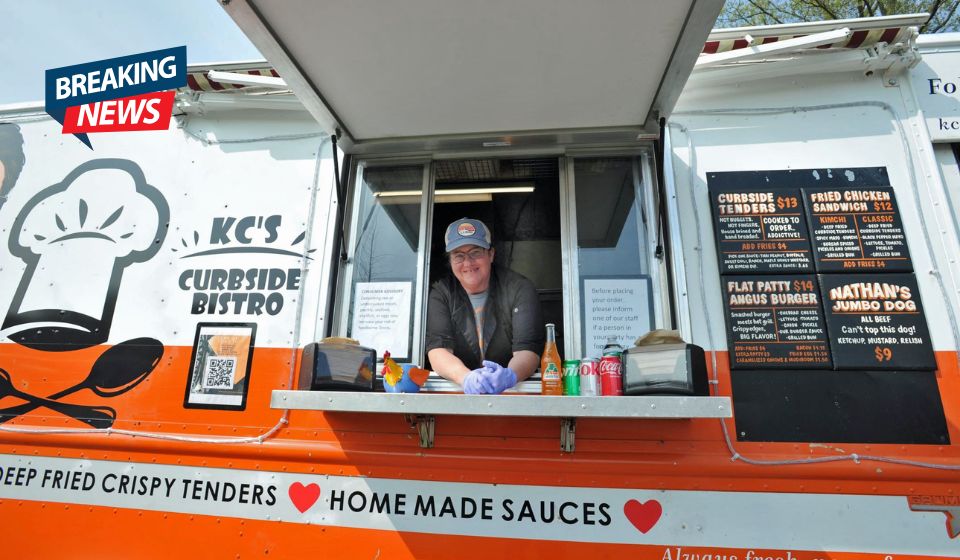
Food Truck Owner Says Running a Business in Massachusetts Has Become a Tough Battle

Running a successful food truck may seem like a dream for many entrepreneurs, but one Massachusetts business owner says the reality has become increasingly difficult.
After several years of serving customers across the South Shore, KC’s Curbside Bistro is preparing to shut down at the end of the 2026 food truck season. The decision comes despite the business building a loyal customer base and earning praise for its popular menu of burgers, fried chicken, and rotating specialty dishes.
A Popular Business Facing Growing Challenges
Owner Kerry Churchill said the food truck has enjoyed strong support since launching in 2021, but rising operating costs and declining profit margins have made it difficult to continue long-term. According to Churchill, the business remains popular, yet the financial reality behind the scenes has become increasingly challenging.
While customers often see busy lines and sold-out menu items, Churchill says the costs of running a mobile food business continue to rise, making sustainability harder for independent operators.
Licensing Rules Create Financial Pressure
One of the biggest challenges facing food truck owners in Massachusetts is the state’s local permitting structure.
Unlike some states that allow a single statewide permit, Massachusetts food truck operators often must obtain separate permits, licenses, and inspections from every city or town where they plan to operate. Those fees can quickly add up for small businesses that rely on seasonal revenue.
For owners operating just one truck without the support of a restaurant or larger company, the administrative burden can be significant. Each community may have different requirements, deadlines, and associated costs, creating additional hurdles before a truck can even begin serving customers.
Calls for Statewide Reform
The issue has drawn attention from lawmakers and industry advocates who believe the current system places unnecessary strain on small businesses.
A proposal currently under consideration would establish a statewide licensing framework that could allow food trucks to operate across Massachusetts without repeatedly completing local inspection and permitting processes. Supporters argue that such a change would reduce costs, simplify compliance, and encourage small-business growth.
However, progress on the legislation has been slow, leaving many operators to continue navigating the existing system.
From Setback to Success Story
KC’s Curbside Bistro began as a passion project after Churchill lost her chef position during the challenges facing the restaurant industry in 2020.
Determined to create something of her own, she spent nearly a year building the food truck alongside her father. The truck itself was a former Lowell fire vehicle purchased in New Hampshire and transformed into a fully functioning mobile kitchen.
When the business officially launched in August 2021, it quickly developed a following for its comfort-food menu and creative specials inspired by global flavors. Customers throughout the South Shore embraced the concept, helping the truck establish a strong reputation in a competitive market.
A Growing Concern for Small Businesses
The challenges highlighted by KC’s Curbside Bistro reflect broader concerns among small business owners throughout Massachusetts.
Many entrepreneurs face increasing expenses related to permits, insurance, fuel, labor, food supplies, and equipment maintenance. For mobile food operators, those costs are often compounded by seasonal weather limitations and varying local regulations.
Industry advocates warn that without meaningful reforms, more independent food trucks could face difficult decisions about their future, even when customer demand remains strong.
Looking Ahead
For now, KC’s Curbside Bistro plans to continue serving customers through the remainder of the 2026 season before closing operations later this year.
The story serves as a reminder that success in the food industry depends on far more than great food and loyal customers. For many small business owners, navigating regulations and controlling costs has become just as important as what is being served from the kitchen window.
As lawmakers continue discussing potential reforms, many food truck operators will be watching closely, hoping future changes can make it easier for independent businesses to survive and grow in Massachusetts.