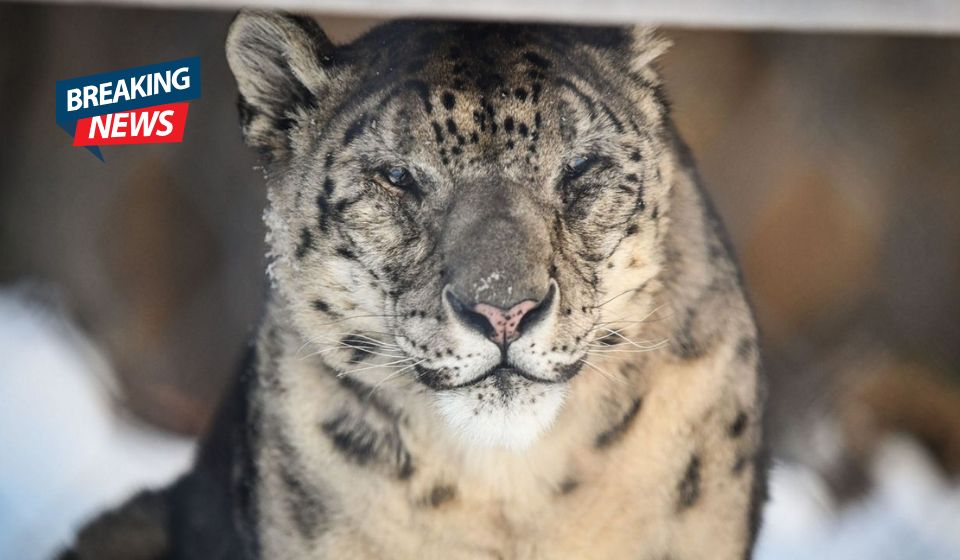
Kira, One of America’s Oldest Snow Leopards, Dies at Massachusetts’ Stone Zoo

STONEHAM, Mass. — Stone Zoo is mourning the loss of one of its most beloved residents after Kira, a 17-year-old snow leopard and one of the oldest snow leopards living in human care in the United States, passed away earlier this week.
Zoo officials announced the heartbreaking news in a statement, describing Kira as a cherished member of the Stone Zoo family whose presence inspired visitors, animal care staff, and conservation supporters for years. At 17 years old, Kira had surpassed the average life expectancy for snow leopards in the wild and reached an age rarely seen among the species.
A Beloved Ambassador for an Endangered Species
Kira arrived at Stone Zoo more than a decade ago and quickly became one of the facility’s most recognizable animals. Known for her striking appearance, calm demeanor, and curiosity, she helped introduce thousands of visitors to the challenges facing snow leopards in the wild.
Snow leopards are native to the rugged mountain ranges of Central Asia, including regions of Mongolia, China, India, Nepal, Pakistan, and Russia. Often referred to as the “ghosts of the mountains” because of their elusive nature and ability to blend into snowy landscapes, snow leopards remain one of the world’s most mysterious big cats. Conservation groups estimate that only a few thousand remain in the wild today.
Throughout her years at Stone Zoo, Kira served as an ambassador for her species, helping educate guests about wildlife conservation and the importance of protecting fragile mountain ecosystems. Zoo educators frequently highlighted her story during animal presentations and special events focused on Himalayan wildlife.
Mother of Two Snow Leopard Cubs
One of Kira’s most significant contributions to conservation came in 2018 when she gave birth to two female snow leopard cubs, Pandora and Naphisa. The birth was celebrated throughout the zoo community and represented an important success for the Species Survival Plan, a cooperative breeding program designed to maintain healthy populations of endangered animals in accredited zoos.
The cubs quickly became visitor favorites as they explored their habitat under Kira’s watchful eye. Their birth helped raise awareness about snow leopard conservation and demonstrated the important role accredited zoos play in preserving endangered species.
Advanced Age and Exceptional Care
Reaching 17 years of age is a remarkable achievement for a snow leopard. While many snow leopards in the wild face threats from habitat loss, climate change, poaching, and conflicts with livestock owners, those in accredited zoological facilities can often live longer due to specialized veterinary care, balanced nutrition, and carefully managed habitats.
Zoo officials credited Kira’s longevity to the dedication of Stone Zoo’s animal care and veterinary teams, who monitored her health closely throughout her life. Her advanced age made her one of the oldest snow leopards living in human care in the United States.
Although the zoo did not publicly disclose a specific cause of death, officials indicated that Kira had been receiving age-related care and support. Her passing was described as a significant loss for both the zoo and the broader conservation community.
Visitors and Staff Remember Kira
Following the announcement, visitors and supporters shared messages of sympathy and memories of seeing Kira over the years. Many recalled watching her gracefully navigate the rocky terrain of the Himalayan Highlands exhibit, where she often rested on elevated overlooks while observing guests below.
Animal care staff described Kira as an intelligent and resilient animal whose personality made a lasting impression on everyone who worked with her. Her legacy will continue through the educational programs she supported and through her offspring, who remain part of conservation efforts aimed at safeguarding the future of snow leopards.
Continuing the Mission of Conservation
Kira’s death serves as a reminder of the challenges facing snow leopards around the world. Stone Zoo and its parent organization, Zoo New England, continue to support international conservation programs that protect snow leopard habitats and promote coexistence between local communities and wildlife. These initiatives include research projects, habitat protection efforts, and partnerships with organizations working throughout the species’ native range.
While visitors will no longer see Kira patrolling her habitat, zoo officials say her impact will be felt for years to come. Through her role as a mother, educator, and ambassador for conservation, Kira helped connect countless people with one of the world’s most endangered and fascinating big cats.
Her passing marks the end of an extraordinary life, but her legacy will continue through the conservation efforts she inspired and the generations of snow leopards she helped support.