Lowell Developer Snaps Up Old Courthouse In $1.925M Bidding Brawl

A long-vacant landmark in downtown Lowell is set for a new chapter after a local developer won a heated auction for the former Lowell Superior Courthouse, purchasing the historic property for $1.925 million.
The sale marks a significant milestone in Lowell’s ongoing redevelopment efforts and could pave the way for new housing opportunities in one of the city’s most prominent vacant buildings.
Historic Courthouse Sells After Fast-Paced Auction
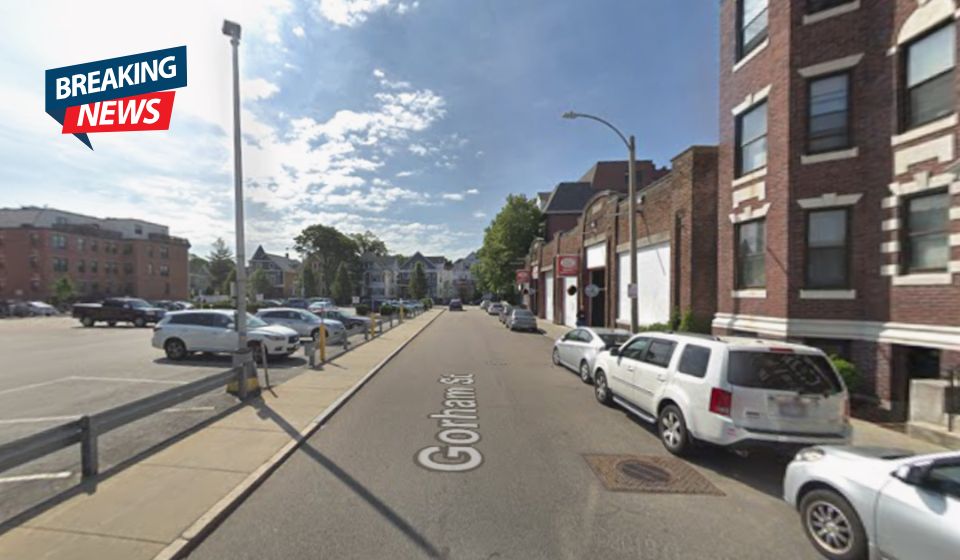
The former Lowell Superior Courthouse on Gorham Street attracted strong interest during a competitive public auction held Wednesday. Within minutes, bidding escalated rapidly from an opening offer of $250,000 to nearly $2 million.
Local developer Tim Kihiko emerged as the winning bidder, securing the property for $1.925 million through Kihiko Properties LLC.
Observers described the auction as intense, with bids climbing quickly as multiple qualified buyers competed for the large downtown property. The final sale price reflected both the building’s prime location and the growing demand for redevelopment opportunities in Lowell.
The auction was conducted as an “absolute sale,” meaning the property would be sold to the highest bidder regardless of the final price.
Landmark Property Has Sat Vacant Since 2020
The courthouse has remained largely unused since court operations moved to the new Lowell Justice Center in 2020.
For years, local residents and city officials have debated the future of the building, which occupies a highly visible location in the heart of downtown.
The property includes more than 65,000 square feet of courtroom, office, and administrative space spread across a block-long structure. The sale package also includes four surface parking lots located across the street, adding approximately 2.44 acres of additional development potential.
With the building vacant for several years, many community leaders viewed the auction as an important step toward bringing new life to a key downtown asset.
Housing Restrictions Included in Sale
The courthouse was sold under Massachusetts’ State Land for Homes initiative, a program designed to transform surplus state-owned properties into housing developments.
Because of the program’s requirements, the future redevelopment of the site will include residential components intended to help address housing needs in the region.
State officials have promoted the initiative as a way to accelerate housing production while putting unused public properties back into productive use.
The sale agreement also requires a relatively quick closing process, with the buyer expected to complete the transaction within 45 days or less.
Unlike many commercial real estate transactions, the purchase is not contingent upon mortgage financing, ensuring the project can move forward without significant delays.
What the New Owner Acquired
In addition to the courthouse building itself, the purchase includes several valuable features.
The property comes with existing furnishings, courtroom fixtures, office equipment, and any remaining items left within the structure. The sale was conducted on an “as-is” basis, meaning the buyer accepted the building in its current condition.
Developers had opportunities to tour the property before the auction, allowing interested parties to evaluate its redevelopment potential.
The courthouse’s central location, proximity to public transportation, and nearby downtown amenities make it one of the most significant redevelopment opportunities currently available in Lowell.
Potential Redevelopment Plans Ahead
While specific redevelopment plans have not yet been announced, many observers expect the property could eventually be transformed into apartments, condominiums, or a mixed-use development that combines housing with retail or commercial space.
The building’s size and location make it an attractive candidate for adaptive reuse, a process that preserves historic structures while giving them new functions.
However, several steps must occur before construction can begin.
The project will likely require:
- Local permitting approvals
- Planning and zoning reviews
- Historic preservation evaluations
- Architectural design proposals
- Potential community hearings
The exact scope of redevelopment will depend on financing, market conditions, and regulatory approvals.
State and City Leaders Welcome Sale
Officials involved in the sale praised the outcome as a positive development for both Lowell and the state’s housing goals.
The transaction removes one of the city’s most prominent vacant government buildings from public ownership and places it in the hands of a local developer with plans to revitalize the site.
Supporters say the redevelopment could generate new housing units, increase downtown activity, and strengthen economic growth in the area.
The project also aligns with broader efforts across Massachusetts to convert underutilized public properties into housing developments amid ongoing housing shortages.
A New Future for a Historic Building
For decades, the Lowell Superior Courthouse served as a center of legal proceedings and public service. Since its closure, however, the building has remained largely dormant.
Now, with the auction complete and ownership transferring to a local developer, attention will shift toward what comes next.
Residents can expect redevelopment proposals, public discussions, and planning reviews in the months ahead as officials and developers work to determine the future of one of Lowell’s most recognizable historic structures.
While the final vision remains unclear, one thing is certain: the former courthouse’s days of sitting empty appear to be coming to an end.