Two Massachusetts Schools Want to Cut Bachelor’s Degrees to 3 Years

A significant shift may be coming to higher education in Massachusetts as two colleges seek approval to offer bachelor’s degree programs that students can complete in just three years instead of the traditional four.
Supporters say the proposal could help students graduate faster, reduce tuition costs, lower student debt, and enter the workforce sooner. Critics, however, worry that shortening degree programs could diminish educational quality and create uncertainty for graduates pursuing advanced degrees or competitive careers.
The debate has become one of the most closely watched discussions in higher education as colleges across the country search for new ways to make a university education more affordable and accessible.
If approved, the proposed programs could signal a major change in how students earn bachelor’s degrees in Massachusetts.
Why Colleges Are Rethinking the Four-Year Degree
For generations, the standard bachelor’s degree in the United States has required approximately 120 credit hours completed over four academic years.
While that model remains dominant, rising tuition costs and growing student debt have caused many educators and policymakers to question whether the traditional timeline still makes sense for all students.
The cost of attending college has increased dramatically over the past several decades, leaving many graduates with significant financial burdens.
At the same time, employers increasingly seek workers with practical skills and real-world experience, prompting colleges to reconsider how degree programs are structured.
Supporters of accelerated degree programs argue that students should have more flexible pathways to earn credentials without sacrificing career opportunities.
The new proposals in Massachusetts are part of a broader national conversation about making higher education more efficient and affordable.
The Schools Behind the Proposal
Two private Massachusetts institutions have submitted plans for reduced-credit bachelor’s degree programs:
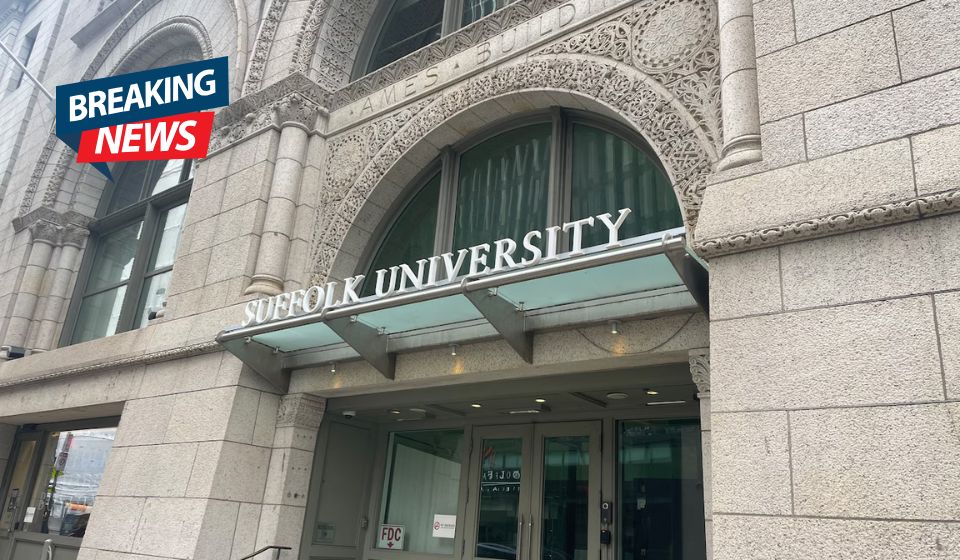
- Suffolk University in Boston
- Merrimack College in North Andover
Both institutions are seeking approval to offer degree pathways requiring substantially fewer credits than traditional bachelor’s programs.
Instead of the standard 120-credit structure, students would complete approximately 90 to 96 credits while still earning a bachelor’s degree.
The proposal follows recent changes in state regulations that allow colleges to seek approval for reduced-credit degree programs.
If approved, these programs could become some of the first examples of a new educational model in Massachusetts.
New Regulations Open the Door
Earlier this year, Massachusetts education officials approved regulations allowing colleges and universities to propose bachelor’s degree programs requiring only 90 credits.
The change represents a major departure from traditional degree requirements.
Under the revised framework, students would be able to complete bachelor’s degrees in approximately three years without needing to attend summer classes.
Supporters believe the flexibility could make higher education more attractive to students concerned about costs, time commitments, and delayed entry into the workforce.
The policy change immediately sparked interest among several colleges exploring innovative academic models.
Now, Suffolk University and Merrimack College are among the first institutions attempting to take advantage of the new opportunity.
Suffolk University’s Proposed Program
Suffolk University is proposing a pilot bachelor’s degree program in Healthcare Administration and Innovation.
The degree would require approximately 94 credits and is designed to prepare students for careers in the rapidly growing healthcare management sector.
University officials argue that the program addresses two major challenges facing higher education:
- Student affordability
- Workforce demand
According to the institution, financial difficulties remain one of the leading reasons students leave college before completing their degrees.
By reducing the time and cost required to earn a degree, university leaders believe more students will be able to persist through graduation.
The healthcare industry was selected because of its growing need for qualified professionals and the strong demand for healthcare administrators throughout Massachusetts and beyond.
Focus on Workforce Readiness
One key feature of Suffolk’s proposal is its emphasis on practical experience.
Students would still complete internships in healthcare settings, ensuring they gain hands-on exposure before entering the workforce.
The university also plans to include elective opportunities that allow students to customize portions of their education while maintaining the accelerated timeline.
Supporters say combining classroom instruction with real-world experience can help ensure graduates remain competitive despite completing fewer credit hours.
By focusing on essential skills and career preparation, Suffolk hopes to create a faster route into a high-demand industry.
Merrimack College’s Broader Expansion Plan
Merrimack College is taking a wider approach.
The institution has proposed several three-year bachelor’s degree programs across multiple academic disciplines.
These include:
- Psychology
- Communication
- Criminal Justice
- Business Administration
College leaders say the initiative is designed to address several challenges facing higher education.
Among the primary goals are:
- Reducing student debt
- Improving college affordability
- Increasing enrollment
- Addressing workforce shortages
- Enhancing career readiness
Merrimack believes students can receive a high-quality education while completing fewer overall credits.
The institution argues that modern degree programs should prioritize outcomes and competencies rather than simply the number of classroom hours completed.
Lower Costs Could Be a Major Attraction
Perhaps the strongest selling point of the three-year degree model is cost savings.
College tuition continues to be one of the biggest concerns for students and families across the country.
Merrimack estimates that the reduced-credit programs could cost approximately 70% to 80% of what students would pay for traditional bachelor’s degrees.
For many families, that difference could translate into tens of thousands of dollars in savings.
Graduating one year earlier also allows students to begin full-time employment sooner, potentially increasing lifetime earnings while reducing educational expenses.
Supporters view this as one of the most compelling reasons to embrace alternative degree structures.
Critics Raise Concerns About Educational Quality
Not everyone is convinced that shorter bachelor’s degrees are the right solution.
Some educators argue that reducing credit requirements may limit academic exploration and diminish the overall educational experience.
Traditional bachelor’s degrees often include:
- General education courses
- Elective classes
- Interdisciplinary learning opportunities
- Research experiences
- Academic enrichment programs
Critics worry that compressed degree programs may leave less room for students to develop broad intellectual skills beyond their primary major.
Some professors have expressed concerns that educational depth could suffer if students are expected to complete degrees with significantly fewer credits.
These concerns have fueled ongoing debate within higher education circles.
Questions About Graduate School Acceptance
Another major concern involves graduate education.
Many master’s degree and doctoral programs have traditionally evaluated applicants based in part on their undergraduate academic background.
Some experts worry that graduates from reduced-credit bachelor’s programs may encounter challenges when applying to advanced academic programs.
To address these concerns, proposed programs include disclosures informing students that some graduate schools may have different credit expectations.
Students will be encouraged to understand potential limitations before enrolling.
Supporters argue that over time, acceptance of alternative degree models will likely increase as institutions become more familiar with them.
However, uncertainty remains one of the biggest questions surrounding the initiative.
Accreditation Challenges and Changing Perspectives
The debate over reduced-credit bachelor’s degrees has also involved accreditation organizations.
For years, accrediting bodies expressed concerns about whether shorter programs could provide educational outcomes equivalent to traditional degrees.
However, attitudes have gradually evolved.
Recent guidance from regional accreditation agencies has opened pathways for colleges to propose pilot programs under carefully monitored conditions.
This shift has allowed institutions to experiment with new educational models while collecting data on student success, graduation rates, employment outcomes, and academic performance.
The Massachusetts proposals are part of this broader effort to test whether innovative degree structures can maintain educational quality while improving affordability.
What Students Need to Know
Students considering a three-year bachelor’s degree would need to carefully evaluate both the benefits and potential trade-offs.
Potential advantages include:
- Lower tuition costs
- Reduced student debt
- Faster entry into the workforce
- Shorter time commitment
- Career-focused learning
Potential challenges may include:
- Fewer elective opportunities
- Questions about graduate school eligibility
- Limited flexibility
- Less time for internships or extracurricular activities
- Ongoing uncertainty as programs remain relatively new
Education experts recommend that students thoroughly research any accelerated degree option before making enrollment decisions.
Public Review Process Underway
Before the programs can move forward, they must undergo a public review process.
Education officials are currently accepting feedback from students, faculty members, employers, and community stakeholders.
The public comment period allows supporters and critics to share their perspectives on the proposed degree structures.
Following the review process, state higher education officials will consider whether the programs meet academic and regulatory standards.
A final decision could have significant implications for colleges across Massachusetts.
Could This Be the Future of Higher Education?
The proposals from Suffolk University and Merrimack College highlight a growing movement within higher education to rethink long-standing traditions.
As tuition costs continue to rise and workforce demands evolve, colleges are increasingly exploring alternatives to the conventional four-year degree model.
Whether three-year bachelor’s degrees become a widespread solution remains uncertain.
Supporters see them as an innovative way to expand access and affordability.
Critics view them as an experiment that could create unforeseen challenges for students.
Regardless of the outcome, the discussion reflects broader changes occurring throughout higher education as institutions search for new ways to meet the needs of modern learners.
Final Thoughts
The effort by two Massachusetts colleges to introduce three-year bachelor’s degree programs represents one of the most significant higher education developments in recent years. By reducing credit requirements and accelerating graduation timelines, the proposed programs aim to lower costs, reduce student debt, and help students enter the workforce sooner.
At the same time, questions remain about educational quality, graduate school acceptance, and long-term outcomes. As regulators review the proposals and public debate continues, the decisions made in Massachusetts could influence how colleges nationwide approach the future of undergraduate education.