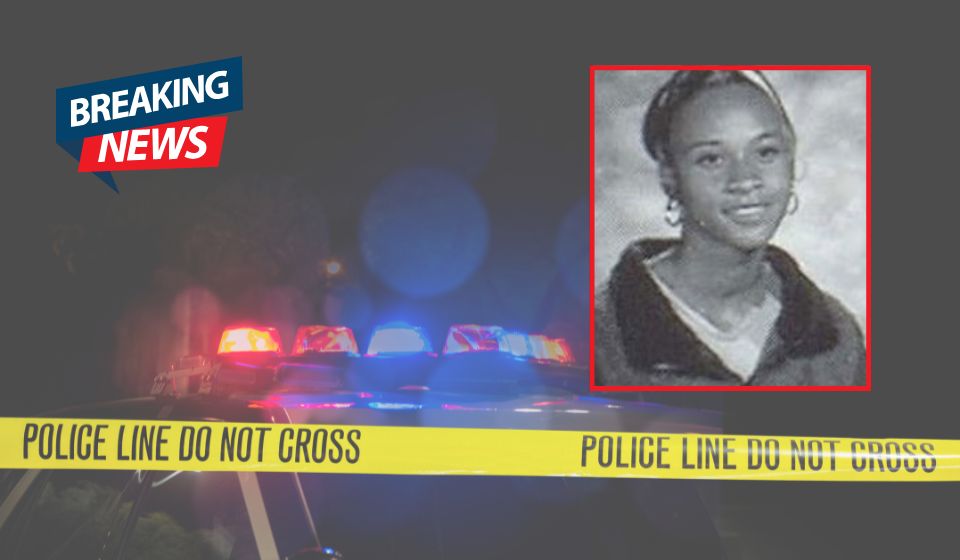
Remains of girl found decapitated, cut in half in parking lot in 2000 identified as trafficked teen

A decades-old cold case in Massachusetts has finally been solved after authorities identified the teenage girl whose remains were discovered in a parking lot in 2000. The victim, previously known only as “Chelsea Jane Doe,” has been identified as Tiffany Bradley, a 16-year-old girl from Pennsylvania.
Horrifying Discovery in Chelsea Parking Lot in 2000
On November 13, 2000, investigators made a disturbing discovery in the parking lot of the Soldiers’ Home in Chelsea, Massachusetts. Police found the remains of a young girl who had been dismembered, with her head and hands missing. The case shocked the community and remained one of Massachusetts’ most difficult unidentified victim cases for more than two decades.
At the time, investigators had no name for the victim. She was remembered only as “Chelsea Jane Doe” while detectives worked to uncover her identity and find answers for her family.
DNA Technology Helps Reveal Victim’s Identity
After years of investigation, advances in DNA testing and genetic genealogy helped authorities identify the teenager. The FBI Boston office, Massachusetts State Police, and other investigators used forensic analysis to connect the remains to Tiffany Bradley.
Bradley had been reported missing from Pennsylvania on November 8, 2000. Her family said her final phone call was concerning, as she sounded frightened before saying she would call back later. That call never came.
Investigation Reveals Teen Was a Victim of Trafficking
Authorities said Bradley was trafficked across state lines before her death. Investigators later connected her killing to Eugene McCollom, who had already been convicted in another case and later pleaded guilty to second-degree murder in connection with Bradley’s death.
Officials said McCollom told investigators the girl was being trafficked and used the name “Lisa.” He was sentenced to life in prison, but the victim’s identity remained unknown until the recent breakthrough.
Family Receives Answers After 26 Years of Waiting
For Tiffany Bradley’s family, the identification brought long-awaited answers after years of uncertainty. Relatives expressed gratitude that investigators continued searching for her identity and refused to let the case remain unsolved.
Authorities said identifying victims in cold cases is important not only for investigations but also for giving families closure and returning a name and story to those who were lost.
Cold Case Breakthrough Highlights Power of Modern Forensics
The identification of Tiffany Bradley shows how modern DNA technology can solve cases that remained unanswered for decades. Although the crime happened more than 25 years ago, investigators continued working until the victim’s identity was finally confirmed.
The case is now remembered not only as a tragic crime but also as a reminder of the importance of continuing efforts to identify missing people and provide answers to their families.