Dracut Residents Face Major Decision on New School Building at Monday Meeting

The future of public education in Dracut could be determined by a single vote as residents gather for the town’s annual Town Meeting. Community members are expected to pack the venue for what many local officials describe as one of the most significant decisions facing the town in decades.
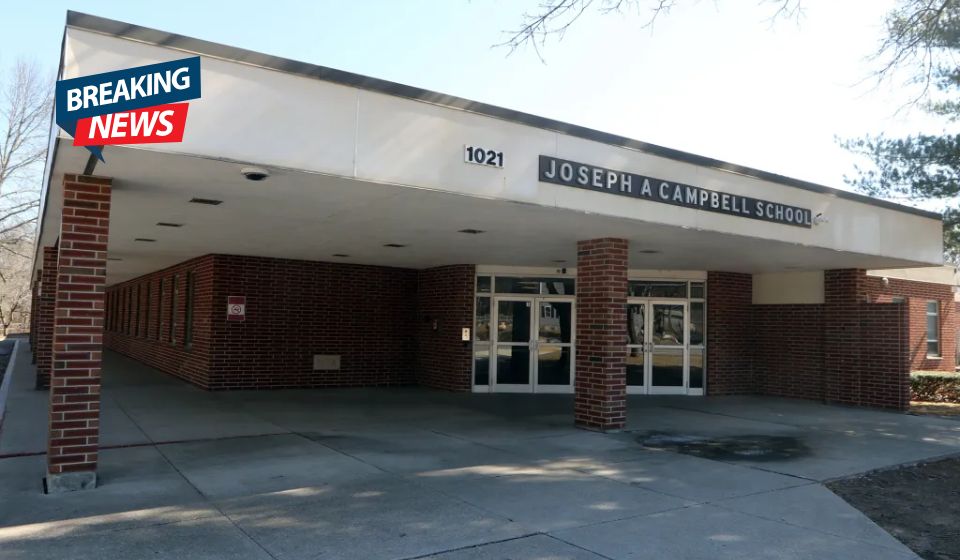
At the center of the debate is a proposal to appropriate approximately $177 million for the construction of a new school building that would replace two aging educational facilities: the Joseph Campbell School and the Greenmont Avenue School.
While supporters view the project as a necessary investment in the town’s future, critics and cautious observers worry about the financial burden at a time when Dracut is already struggling with budget challenges.
The vote is expected to attract significant public interest because its outcome will determine whether the project advances to a townwide ballot vote later in June, where residents would have the final say.
Why the School Project Matters
For years, concerns have been growing over the condition of the Campbell and Greenmont Avenue school buildings.
Town officials, school administrators, and community leaders have repeatedly pointed to aging infrastructure, accessibility challenges, and increasing maintenance costs as reasons why replacement rather than renovation may be the best long-term solution.
The proposed project would combine resources into a modern educational facility designed to serve current and future generations of students.
Supporters argue that investing now could prevent even larger costs in the future while ensuring that children learn in a safe, modern, and fully accessible environment.
For many residents, however, the issue extends beyond education. The proposal touches on taxes, municipal finances, staffing concerns, and the long-term direction of the community.
That is why Monday’s meeting is being viewed as a defining moment for Dracut.
Understanding the $177 Million Proposal
The proposed school project carries a total estimated cost of approximately $177 million.
While that number has generated concern among some residents, town officials emphasize that Dracut would not be responsible for the entire amount.
A substantial portion of the funding would come from the Massachusetts School Building Authority (MSBA), which provides financial assistance to communities undertaking major school construction projects.
State reimbursement could significantly reduce the local share of the project cost, making the proposal more financially manageable than it initially appears.
Supporters argue that rejecting the opportunity could mean losing access to tens of millions of dollars in state funding that may not become available again for many years.
The funding mechanism would involve a debt exclusion under Massachusetts Proposition 2½, allowing the town to raise the necessary funds outside standard property tax limitations.
Because tax implications are involved, residents will ultimately have an opportunity to vote on the issue if it advances beyond Town Meeting.
A Community Divided on Timing
One of the most common concerns surrounding the proposal is timing.
Dracut, like many communities across Massachusetts and the country, is facing increasing financial pressures.
Municipal officials have acknowledged that balancing budgets has become increasingly difficult as costs continue to rise.
Some residents question whether now is the right moment to undertake a major construction project.
Critics argue that the town should focus first on strengthening its financial position before committing to a project of this magnitude.
Others believe delaying the decision could create even larger financial challenges in the future.
The debate has become less about whether the schools need attention and more about when and how the investment should occur.
Existing Schools Face Serious Challenges
Town leaders have repeatedly emphasized that the condition of the existing school buildings has become a growing concern.
Officials say both facilities are approaching the end of their useful lives and require extensive improvements to remain functional.
Accessibility issues have emerged as one of the most significant challenges.
Modern educational facilities must comply with Americans with Disabilities Act (ADA) requirements, ensuring equal access for all students, staff, and visitors.
According to town officials, bringing the current buildings into full compliance would require extensive modifications.
These upgrades could include structural changes, accessibility improvements, and the installation of elevators and other accommodations.
The complexity of the work has led many officials to conclude that replacement may ultimately be more practical and cost-effective than renovation.
Greenmont Avenue School Faces an Uncertain Future
Perhaps one of the most pressing issues is the future of the Greenmont Avenue School.
Town discussions have indicated that the school could potentially face closure in the coming years regardless of the outcome of the current proposal.
School budget planning has included discussions about possible cost-cutting measures, and facility consolidation has emerged as one option.
For many families, this reality has added urgency to the debate.
Supporters of the new school argue that a modern replacement facility could help avoid future disruptions while providing a better educational environment for students.
Others worry that financial pressures may force difficult decisions even if a new building is eventually approved.
Supporters See a Once-in-a-Generation Opportunity
Many local leaders have described the proposal as a rare opportunity that may not come again anytime soon.
One of the strongest arguments from supporters centers on state reimbursement funding.
Advocates believe turning down the project could mean losing access to substantial state assistance that may not be available again for years.
Construction costs have also become a major factor in the discussion.
Supporters note that inflation and rising material costs continue to drive up the price of large-scale building projects.
As a result, delaying construction could potentially make a future replacement even more expensive.
Many community leaders argue that waiting may not save money in the long run.
Instead, they believe postponement could lead to higher costs and fewer funding opportunities.
Concerns About Financial Sustainability
Despite widespread acknowledgment that the schools need attention, financial concerns remain a major issue.
Some residents worry that approving the project could place additional pressure on local budgets already stretched by rising expenses.
Questions have also been raised about long-term operational costs.
Building a new school is only one part of the equation.
Communities must also fund staffing, maintenance, utilities, educational programs, and other ongoing expenses.
Some officials have expressed concerns that financial obligations associated with a new building could impact future budget decisions.
The possibility of difficult choices involving staffing levels and educational services has become part of the broader conversation.
These concerns illustrate why the vote has generated such intense public interest.
Education, Infrastructure, and Community Growth
Beyond the immediate financial debate, supporters argue that school infrastructure plays a critical role in community development.
Quality schools often influence:
- Property values
- Family relocation decisions
- Economic development
- Community reputation
- Long-term population growth
Advocates believe a modern educational facility would strengthen Dracut’s attractiveness for families considering moving into the area.
They also argue that investing in students today helps create a stronger workforce and community in the future.
For many supporters, the proposal represents more than a construction project—it represents an investment in the town’s next generation.
Heavy Turnout Expected
Given the importance of the issue, town officials anticipate one of the largest Town Meeting turnouts in recent memory.
Parents, educators, taxpayers, business owners, and community leaders are expected to attend and participate in discussions before the vote takes place.
The decision has generated extensive conversation throughout the community, with residents weighing both the benefits and risks associated with the proposal.
Regardless of the outcome, Monday’s meeting is likely to be remembered as a pivotal moment in Dracut’s history.
The vote will reveal whether residents are prepared to move forward with a significant investment in educational infrastructure or whether they believe additional planning and financial considerations are necessary before proceeding.
What Happens After the Vote?
If Town Meeting voters approve the funding article, the project would advance to a townwide ballot vote later in June.
That election would provide all eligible voters in Dracut with the opportunity to make the final decision regarding the school project and associated funding measures.
If the article does not receive approval, the future of the proposed school replacement project could become uncertain.
Town leaders would likely need to explore alternative solutions, including additional renovations, phased improvements, or future funding opportunities.
Either way, the decision will have lasting implications for students, educators, taxpayers, and future generations of residents.
Final Thoughts
The proposed $177 million school project represents one of the most consequential decisions facing Dracut in recent years. Supporters see a chance to modernize educational facilities, secure substantial state funding, and invest in the future of local students. Opponents and cautious observers, meanwhile, question whether the town can afford such a major commitment amid ongoing budget pressures.
As residents gather for Monday night’s Town Meeting, they are not simply voting on a construction project—they are helping determine the future direction of education, infrastructure, and community growth in Dracut.
The outcome could shape the town for decades to come, making this one of the most closely watched local decisions of the year.