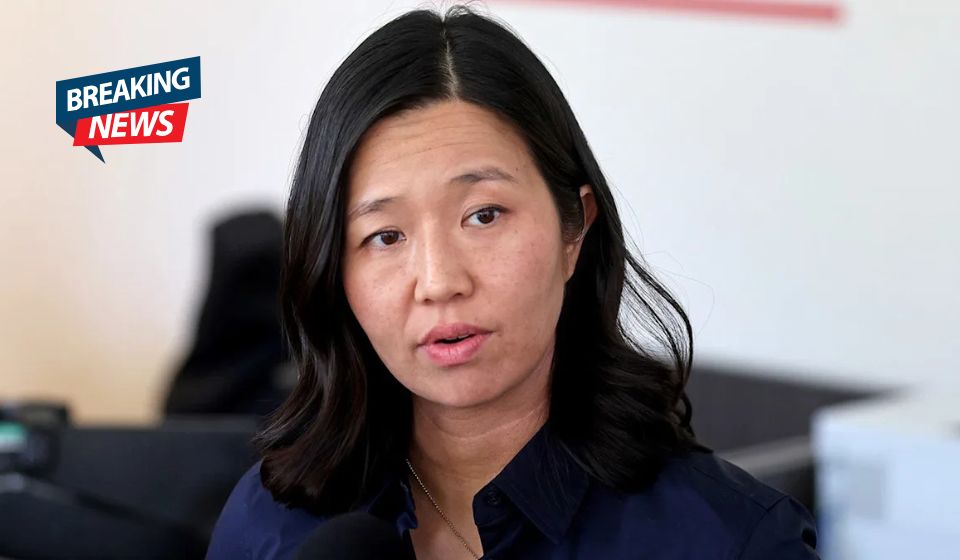
Boston Mayor Michelle Wu Faces Criticism as Trans Period Pride Event Is Canceled

Boston Mayor Michelle Wu is facing renewed political criticism after a controversial event known as “Trans Period Pride” was canceled following days of online backlash and national media attention. The event, which was scheduled to take place at the Boston Public Library in June, aimed to promote menstrual equity and raise awareness about the experiences of transgender individuals who menstruate.
While supporters described the event as an inclusive public-health discussion, critics questioned both its purpose and the involvement of city-affiliated organizations. The controversy quickly expanded beyond the event itself, becoming part of a larger national debate about gender identity, public funding, and LGBTQ+ policies.
The cancellation has intensified discussions surrounding Mayor Wu’s progressive agenda and her administration’s support for LGBTQ+ initiatives.
What Was the Trans Period Pride Event?
The event was organized by the Massachusetts National Organization for Women (Mass NOW) and the Massachusetts Transgender Political Coalition. Promotional materials described it as a discussion focused on menstrual equity and the experiences of transgender people who menstruate. Organizers planned to provide educational conversations, a catered meal, and free period underwear for attendees.
The program was scheduled to be hosted at a branch of the Boston Public Library and was supported by several organizations, including Boston’s Office of LGBTQ+ Advancement. Promotional flyers highlighted the event as an opportunity to discuss challenges faced by transgender individuals who experience menstruation and barriers they may encounter when seeking healthcare or menstrual products.
Supporters argued that menstrual equity initiatives should include all people who menstruate regardless of gender identity. According to organizers, transgender and nonbinary individuals can face unique challenges due to both social stigma and difficulties accessing gender-inclusive healthcare resources.
How the Backlash Began
The controversy gained momentum after social media posts promoting the event were widely shared online. Conservative commentators, activists, and media outlets criticized the concept of a “Trans Period Pride” event and questioned why public institutions were involved in promoting it.
Much of the criticism focused on the phrase “trans menstruators,” which appeared in promotional materials. Critics argued that the language was confusing or politically motivated, while supporters maintained that it accurately reflects the experiences of some transgender individuals who menstruate.
Online criticism intensified as the story spread beyond Massachusetts. Comment sections and social media platforms filled with reactions ranging from skepticism to outright opposition. Several commentators questioned whether government-linked offices should support such events, especially during a period when cities across the country are facing budget pressures.
As national attention increased, the event became a flashpoint in the broader cultural debate over gender identity and public policy.
Why Mayor Michelle Wu Became a Target
Although Mayor Wu was not listed as an organizer of the event, her administration became closely associated with the controversy because Boston’s Office of LGBTQ+ Advancement was identified as one of the event’s supporters.
Wu has become one of the most prominent progressive mayors in the United States and frequently attracts attention from both supporters and critics. Her administration has championed LGBTQ+ inclusion, immigrant support programs, racial equity initiatives, and other progressive causes.
As a result, opponents often view local controversies through the lens of broader political disagreements about the direction of city government. The Trans Period Pride event quickly became another example used by critics who argue that progressive leaders are focusing on issues they believe are disconnected from everyday concerns.
Some critics accused city officials of misusing taxpayer resources, although available reporting has not established that city funds were specifically allocated to the event itself.
Event Canceled After Growing Pressure
After several days of intense public attention, organizers announced that the event had been canceled. The cancellation notice appeared on the event page, though no detailed explanation was initially provided by organizers or the library.
The lack of an official explanation fueled further speculation online. Supporters of the event suggested that the cancellation resulted from organized pressure campaigns and harassment directed at participants and organizers. Critics, meanwhile, viewed the cancellation as evidence that public opposition had been effective.
The decision transformed what might have remained a local dispute into a national news story, drawing coverage from media outlets across the political spectrum.
Supporters Say the Backlash Proves the Need for the Event
Organizers and supporters argue that the controversy itself demonstrates why conversations about transgender health issues remain necessary.
Mass NOW representatives stated that menstrual equity is fundamentally a public health issue and that transgender individuals who menstruate should not be excluded from discussions about access to products, healthcare, and education. According to advocates, the backlash reflects ongoing misunderstandings about transgender experiences and highlights the challenges many transgender people continue to face.
Supporters also note that organizations frequently host events addressing women’s health, maternal health, and menstrual equity without generating significant controversy. They argue that the inclusion of transgender participants was the primary reason this particular event attracted such widespread criticism.
For LGBTQ+ advocates, the debate is not simply about one event but about whether transgender individuals are recognized within broader public-health conversations.
Critics Question Priorities
Opponents of the event have raised concerns about public priorities and government involvement. Some critics argue that municipal resources should focus on issues such as housing affordability, public safety, education, and economic development rather than sponsoring programs related to gender identity.
The controversy also revived discussions about previous disputes involving programs connected to LGBTQ+ communities. Earlier in 2026, Mayor Wu’s administration faced criticism over a separate wellness initiative designed to assist LGBTQ+ migrants and refugees. That program generated debate regarding the use of public funds and the types of services being offered.
Although the wellness program and the Trans Period Pride event were unrelated, critics frequently referenced both controversies when discussing the mayor’s broader policy agenda.
A Reflection of America’s Cultural Divide
The dispute surrounding the canceled event reflects a much larger national conversation about gender identity, public institutions, and the role of government.
Across the United States, schools, libraries, healthcare providers, and government agencies have increasingly found themselves at the center of debates involving transgender rights. Supporters of inclusion policies argue that they help ensure equal access and recognition for marginalized communities. Opponents often contend that such policies conflict with traditional understandings of sex and gender.
The Boston controversy illustrates how local events can rapidly become national political stories, particularly when they involve issues that already divide public opinion.
What Happens Next?
At the moment, there has been no indication that organizers plan to immediately reschedule the event. However, advocacy groups continue to emphasize the importance of menstrual equity and transgender healthcare awareness.
For Mayor Michelle Wu, the episode represents another high-profile controversy in a political career that increasingly attracts national attention. Whether viewed as a defender of progressive values or a symbol of policies critics oppose, Wu remains one of the most closely watched municipal leaders in America.
The cancellation of Trans Period Pride may have ended the event itself, but the debate it sparked is unlikely to disappear anytime soon. As discussions about gender identity, public funding, and inclusion continue across the country, Boston’s latest controversy serves as a reminder of how deeply divided public opinion remains on these issues.