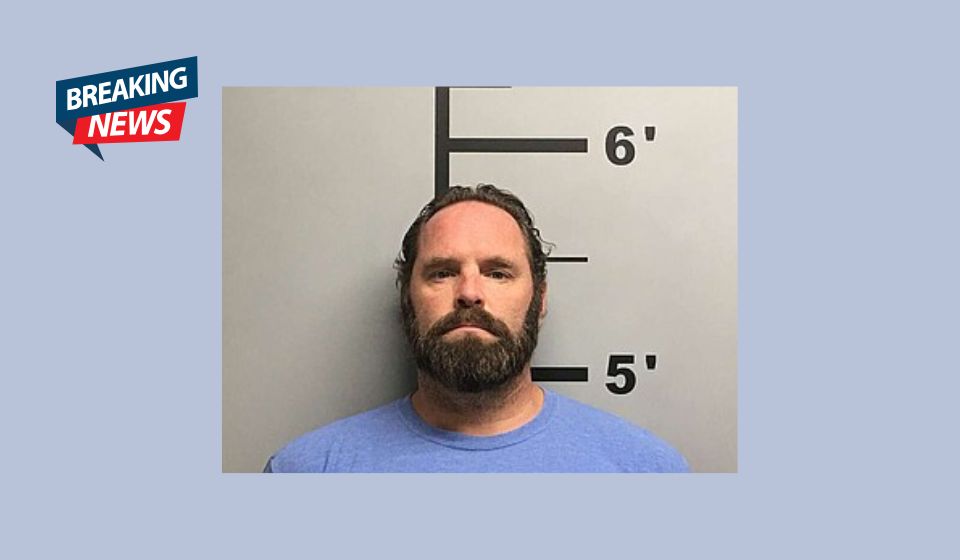
Lowell Man Charged in Alleged Scam to Collect COVID Relief Payments and SNAP Benefits

A Lowell man is facing serious federal charges after investigators alleged he fraudulently obtained thousands of dollars in COVID-19 relief funding and Supplemental Nutrition Assistance Program (SNAP) benefits through a scheme that authorities say involved false applications, misleading financial information, and the misuse of government assistance programs.
The case highlights continuing efforts by federal and state agencies to crack down on fraud connected to pandemic-era relief programs that distributed billions of dollars to struggling individuals and businesses during one of the most challenging economic periods in recent history.
Prosecutors claim the defendant exploited emergency aid programs designed to help families and businesses survive the economic fallout of the COVID-19 pandemic, diverting taxpayer-funded assistance for personal gain while allegedly concealing information that would have affected his eligibility for benefits.
If convicted, the Lowell resident could face substantial prison time, financial penalties, and an order to repay the funds allegedly obtained through fraudulent means.
Investigation Centers on Pandemic Relief Funding
According to investigators, the case revolves around applications submitted for federal COVID-19 relief programs that were created during the pandemic to provide emergency financial assistance.
The federal government launched several relief initiatives between 2020 and 2021 as businesses closed, unemployment surged, and millions of Americans faced financial uncertainty.
Programs included forgivable business loans, emergency grants, unemployment assistance, and other forms of economic relief designed to stabilize households and businesses affected by the pandemic.
Authorities allege that the Lowell man submitted false information in order to qualify for assistance that he otherwise would not have been eligible to receive.
Investigators claim the applications contained inaccurate representations regarding income, employment status, business activity, or financial circumstances.
Federal prosecutors argue that the alleged misrepresentations resulted in government funds being issued under false pretenses.
SNAP Benefits Also Under Scrutiny
In addition to the COVID relief allegations, authorities claim the defendant improperly collected benefits through the Supplemental Nutrition Assistance Program, commonly known as SNAP.
SNAP is a federally funded program that provides eligible low-income individuals and families with assistance to purchase groceries and other essential food items.
Eligibility for SNAP benefits is generally based on household income, assets, expenses, and family size.
Investigators allege that the defendant failed to accurately disclose information that could have affected benefit calculations or eligibility determinations.
As a result, prosecutors contend that benefits were issued that should not have been received under program guidelines.
The alleged conduct has led to additional charges related to public assistance fraud and false statements.
How COVID Relief Programs Became Targets for Fraud
The pandemic created unprecedented challenges for government agencies responsible for distributing emergency assistance.
Relief programs were launched quickly in an effort to get money into the hands of struggling Americans as fast as possible.
While the rapid rollout helped many businesses and families avoid financial disaster, it also created opportunities for fraud.
Federal investigators have spent the past several years uncovering schemes involving:
- Fake businesses
- Inflated payroll figures
- False income reports
- Identity theft
- Duplicate applications
- Misuse of relief funds
- Fraudulent unemployment claims
According to federal officials, billions of dollars in potentially fraudulent claims have been identified nationwide since pandemic relief programs were established.
As a result, agencies continue pursuing cases long after the public health emergency officially ended.
Prosecutors Allege Intentional Misrepresentation
Court documents reportedly indicate that investigators believe the alleged fraud was not the result of simple mistakes or paperwork errors.
Instead, authorities claim evidence suggests a deliberate effort to obtain benefits through false representations.
Federal prosecutors often rely on financial records, bank statements, application documents, electronic communications, and witness testimony when building fraud cases.
Investigators may also compare information submitted on benefit applications against tax filings, employment records, and banking activity.
Officials have not disclosed the full scope of evidence collected in the Lowell case, but prosecutors contend they possess sufficient evidence to support criminal charges.
Potential Consequences Could Be Significant
Federal fraud convictions can carry severe penalties depending on the amount of money involved and the specific charges filed.
Potential consequences may include:
- Federal prison sentences
- Financial restitution
- Criminal fines
- Supervised release
- Asset forfeiture
- Permanent criminal records
Courts often order defendants convicted of fraud offenses to repay improperly obtained funds.
In cases involving government assistance programs, restitution may be directed to federal agencies responsible for administering the affected programs.
The final penalties, if any, would depend on the outcome of court proceedings and federal sentencing guidelines.
Government Continues Pursuit of Pandemic Fraud Cases
Even though many COVID-era assistance programs have expired, enforcement efforts remain active.
Federal agencies continue auditing applications and reviewing cases involving suspected fraud.
The Department of Justice, federal inspectors general, and numerous law enforcement agencies have devoted substantial resources to investigating misuse of pandemic-related assistance.
Officials say protecting taxpayer dollars remains a priority and that individuals who obtained funds through deception may continue to face scrutiny years after receiving benefits.
Authorities have repeatedly warned that relief program applications remain subject to review and verification.
Why Fraud Investigations Often Take Years
Many pandemic-related fraud investigations have taken several years to develop.
Financial crimes frequently require extensive document reviews, forensic accounting, and coordination among multiple agencies.
Investigators often examine:
- Financial transactions
- Tax records
- Business registrations
- Benefit applications
- Electronic communications
- Banking activity
Because relief programs involved large amounts of money distributed across the country, authorities continue identifying suspicious claims long after payments were originally issued.
As a result, new criminal cases continue emerging nationwide.
Impact on Public Assistance Programs
Cases involving alleged fraud can have broader implications beyond the individuals charged.
Government officials argue that fraud undermines public confidence in programs designed to assist people facing legitimate financial hardships.
Programs such as SNAP and pandemic relief initiatives were established to provide support to vulnerable populations during times of need.
When funds are obtained improperly, officials say fewer resources may be available for eligible recipients.
Advocates for public assistance programs also emphasize the importance of maintaining program integrity while ensuring qualified individuals continue receiving support.
Presumption of Innocence Remains
As with all criminal cases, the charges against the Lowell man are allegations at this stage.
The defendant is presumed innocent unless and until proven guilty in a court of law.
Federal prosecutors bear the burden of proving their case beyond a reasonable doubt.
Defense attorneys will have the opportunity to challenge the allegations, present evidence, and argue on behalf of their client during court proceedings.
The case is expected to move through the federal judicial system in the coming months.
Final Thoughts
The charges against a Lowell man accused of fraudulently obtaining COVID-19 relief payments and SNAP benefits underscore the continuing nationwide effort to investigate misuse of government assistance programs established during the pandemic. Prosecutors allege the defendant used false information to secure benefits intended for individuals and businesses facing genuine financial hardship.
As the case proceeds through federal court, investigators, taxpayers, and public officials alike will be watching closely. Regardless of the outcome, the case serves as a reminder that pandemic-related fraud investigations remain active and that authorities continue pursuing individuals suspected of improperly obtaining government assistance long after emergency programs have ended.